


Underground Leak Detection
A leak in the yard rarely announces itself the way a leak inside your house does. It shows up as a soggy patch, a sinkhole, or a bill that keeps drifting upward on its own. Our underground leak detection team pinpoints the exact spot in your yard or service line, no guesswork involved.
The Line Between The Meter And Your House
Most people assume their water company is responsible for every pipe outside their home. In reality, the line between the street meter and your house is usually the homeowner’s line, and that stretch runs entirely out of sight underground.
A break anywhere along that run can leak for weeks before it ever becomes obvious above ground.
Along with underground leak detection, our Torrance team also handles slab leak detection, sewer leak detection, and commercial leak detection. Whatever the source of your water loss, we pinpoint it accurately before any digging or repair begins — see all our leak detection services.
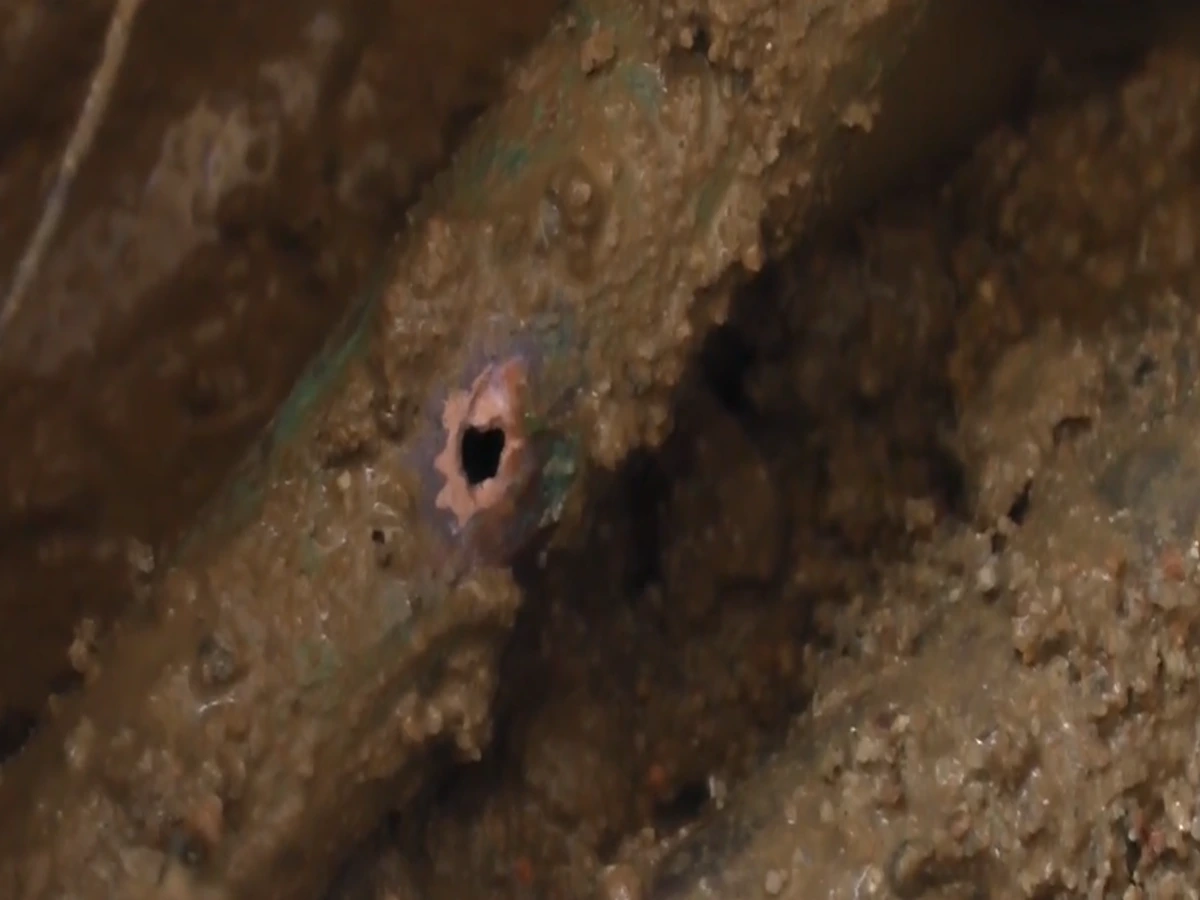
What an Underground Leak Actually Looks Like
Most underground leaks start small — a pinhole from corrosion, a hairline crack at a joint, or a tiny split in aging pipe. These openings are easy to miss with the naked eye but leak steadily for weeks or months, which is why we rely on pressure testing and acoustic equipment instead of guesswork to find them.
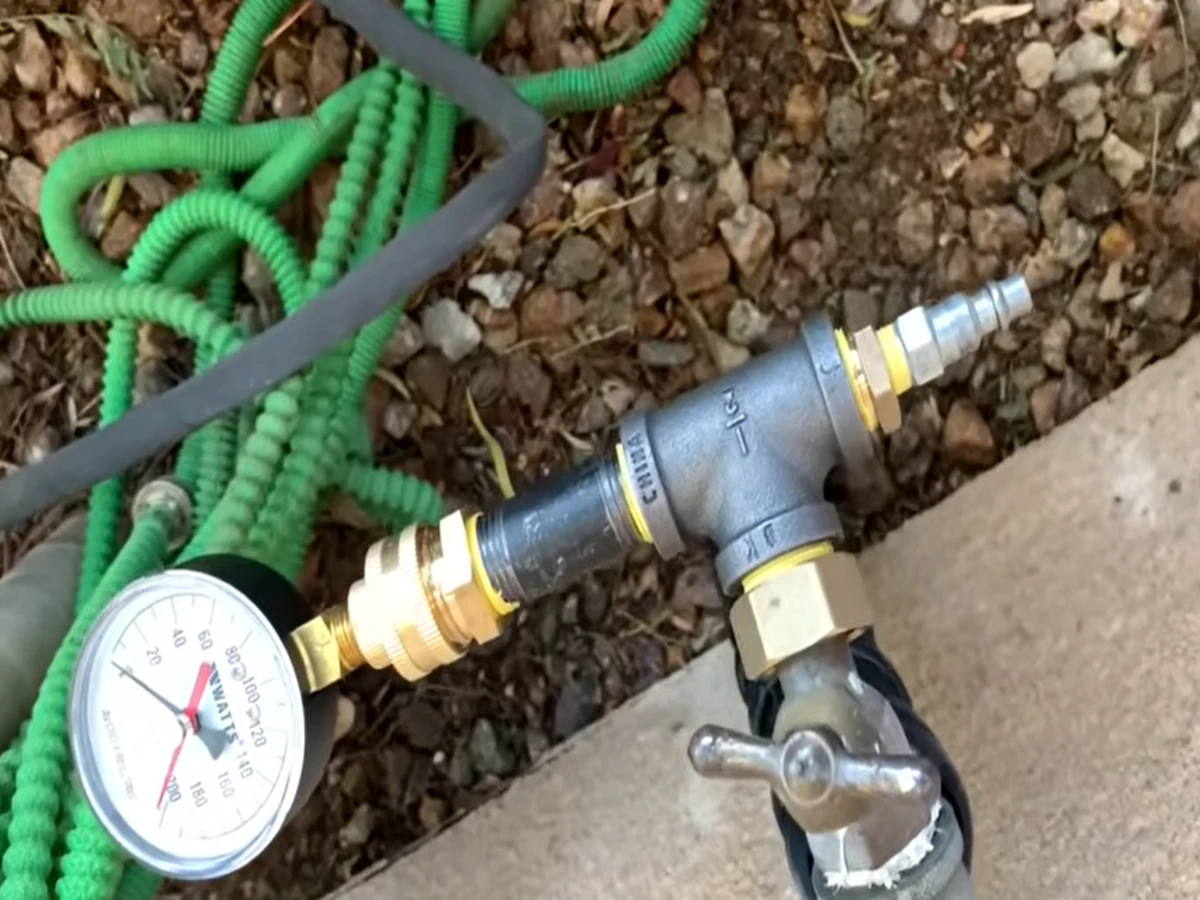
Pressure Testing the Line
We connect a calibrated pressure gauge to your system and monitor it over time. A steady drop in pressure confirms there’s a leak somewhere along the line, even before we know the exact location, which tells us it’s time to bring in the locating equipment.
Pinpointing the Leak Underground
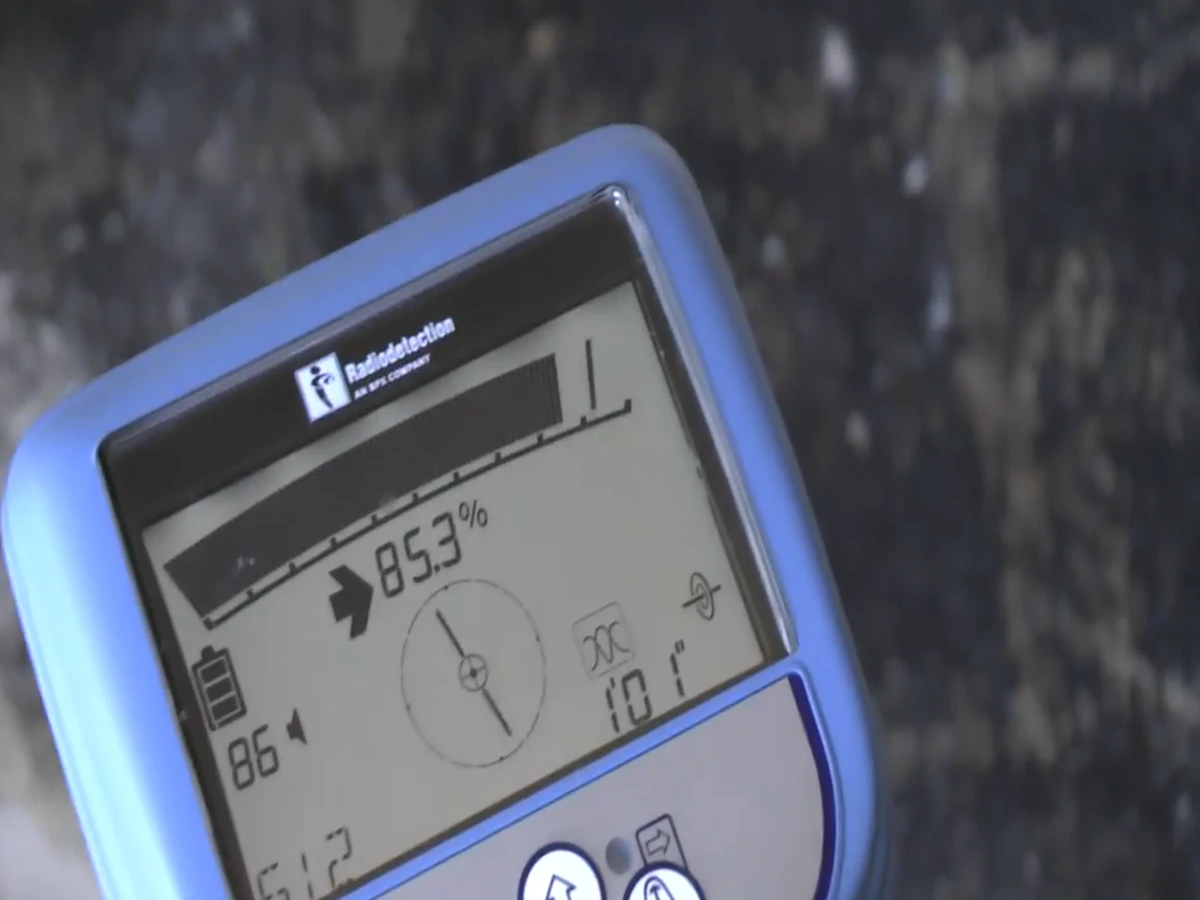
Once pressure testing confirms a leak, we use a professional pipe and leak locator to trace the line and read signal strength as we move along it, narrowing the search to a precise spot before any digging begins.
Signs Of A Leak In Your Yard Or Service Line
None of these confirm it alone, but a couple together is worth a look.
A Soggy Patch That Never Dries Out
One part of the lawn stays wet no matter how dry the weather has been.
A Sinkhole Or Soft, Sinking Ground
Soil that has washed out from underneath and settled.
Grass That Grows Greener In One Strip
A line of unusually lush grass can trace the exact path of a leaking pipe.
Low Pressure Throughout The House
Water escaping before it ever reaches your fixtures.
A Bill That Keeps Rising For No Reason
Usage habits stay the same, but the number does not.
What Causes A Line To Fail Underground
A few common culprits account for most of what we find.
Tree Roots Chasing Moisture
Roots grow toward any source of water, and a service line is an easy target once a root finds its way in.
Soil That Shifts With The Seasons
Ground that swells when wet and pulls back when dry puts constant strain on a buried line.
Old Galvanized Or Copper Runs
Original service lines from decades ago were never built to last as long as they’ve been asked to.
Nearby Construction Or Digging
Even a small disturbance near a buried line can crack a joint that was otherwise fine.
How We Locate It Without Trenching Your Yard
Digging blind means tearing up landscaping to chase a guess. We scan first so the dig is small and exact.
Sound Tracing
A pressurized line leaking underground makes a distinct sound that the right listening equipment can pinpoint.
Ground Microphones
For longer runs, ground mics narrow the leak down to a specific section before anyone touches a shovel.
Tracer Gas
On tricky or deep lines, a harmless gas surfaces through the soil directly above the break.
Utility Locating First
Before any digging, we mark existing gas, electric, and other utility lines so nothing gets hit by accident.
Repair Options For A Service Line
Spot Repair
We dig down at the exact break and repair or replace that section of pipe.
Full Line Replacement
For an older line with more than one failure point, replacing the whole run start to finish is often the better long term call.
Protecting Your Landscaping
We know a yard is not just dirt. Mature landscaping, sprinkler systems, and hardscape all factor into how we plan the dig.
How A Yard Visit Unfolds
1. You Describe What You’ve Noticed
A wet patch, a bill, a sound. Any detail points us in the right direction.
2. We Mark Utilities And Scan First
Existing lines get marked, then sound and gas tracing narrow the leak down.
3. We Confirm The Exact Spot
No digging starts until the location is locked in.
4. You Approve The Plan
A clear number and a small, defined dig area before any work begins.
5. We Restore The Area
Once the repair is done, we put the ground back the way we found it.
Underground Leaks We’ve Found
A Yard With A Sinking Wet Spot
A soggy corner of lawn that never dried out traced back to a cracked service line, found with sound tracing in under an hour.
A Driveway Edge Leak
Month after month the bill crept higher, and the trail led to a leak running along the edge of a driveway, confirmed with tracer gas before any concrete was disturbed.
A Root Damaged Line
A mature tree’s roots had worked into an old galvanized line, found and repaired with minimal disruption to the tree itself.
Where We Locate Underground Leaks
We locate yard and service line leaks throughout the service area.
Underground Leak Questions We Hear Most
What homeowners tend to ask before a yard visit.
Book A Yard Inspection (424) 699-0818